Hand eczema creates difficulties for people when they need to manage their everyday activities. The physical pain from basic tasks such as dishwashing, typing, cooking and item carrying becomes unbearable for people. The skin develops dryness which produces itching and breaks into painful cracks that hurt when you touch it.
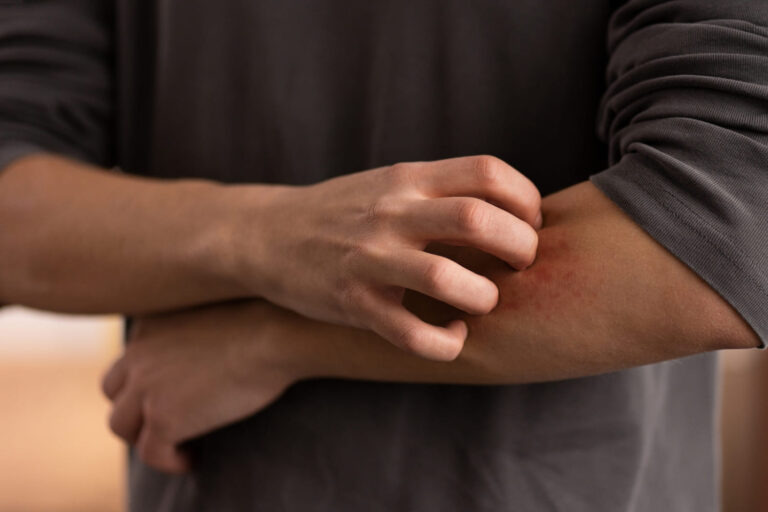
People should seek medical help when their skin starts to bleed while developing small blisters. Patients with eczema continue to develop new skin flare-ups after they apply creams and home-based treatments which do not produce long-term results.
In this guide, you will learn about:
- What causes eczema?
- The different types of eczema
- effective hand eczema treatment options
- and how people can seek proper eczema treatment in Malaysia
What Causes Eczema?
Eczema is a long-term skin condition linked to inflammation. It often develops when the skin barrier becomes weak, which allows moisture to escape and irritants to enter the skin. Several factors may trigger eczema. Let’s explore below:
Genetics
People with a family history of eczema, asthma, or allergies have a higher risk of developing the condition.
Irritants
Daily exposure to soap, detergent, cleaning products, chemicals, or fragrance can damage the skin.
Allergies
Some people react to dust, pollen, pet fur, or certain foods.
Stress
Stress can trigger inflammation in the body and worsen eczema symptoms.
Weather Changes
Hot weather, cold air, or dry conditions may lead to skin irritation.
Frequent Hand Washing
Many people with hand eczema notice symptoms after repeated washing or sanitiser use.
Knowing the trigger is an important step in choosing the right treatment.
Types of Eczema
Eczema exists as multiple distinct medical conditions instead of being a single disease. The skin develops various types of conditions that produce distinct effects on different body areas. The skin develops two main types of symptoms which can be dry, cracked skin from particular conditions and blisters with redness and irritation from others.
The treatment approach for eczema depends on its specific type because different causes and symptoms require different management strategies.
Atopic Dermatitis
Atopic dermatitis exists as the most prevalent eczema type which affects people. The disease begins to develop during childhood but its symptoms continue to affect people throughout their entire lifespan.
The body develops this disorder because of inherited traits together with allergic reactions and excessive immune system activation. Common symptoms include:
- dry skin
- constant itching
- redness
- inflammation
- and cracked skin
The condition usually appears in patients who have involvement of their hands, elbows, knees, neck and facial skin.
Contact Dermatitis
The skin develops contact dermatitis when it encounters substances that trigger allergic responses or cause skin irritation. Some common triggers include soap, detergent, perfume, metal, rubber and cleaning products.
The rash develops directly on the skin that received the initial trigger exposure. The body shows symptoms through skin redness, burning sensation, dry skin and itching.
Dyshidrotic Eczema
Dyshidrotic eczema mainly affects the hands and feet. The fingers together with palms, toes and soles, develop minor blisters which cause itching.
The condition appears frequently in people who have hand eczema during their adult years and it gets worse when they experience stress, their skin becomes sweaty or they spend lots of time in water.
Seborrhoeic Dermatitis
Seborrhoeic dermatitis affects oily areas of the body such as the scalp, nose, ears and chest.
Common signs include:
- flaky skin
- redness
- dandruff
- and irritation
This condition may come and go over time.
Nummular Eczema
Nummular eczema causes round or coin-shaped patches on the skin. These areas often become dry, itchy and inflamed.
The condition may occur after skin injury, insect bites, or extreme dryness.
Hand Eczema Treatment Options
Choosing the right hand eczema treatment depends on the severity of the condition. Mild eczema may improve with creams and skincare changes. But severe cases may need medical support.
The main goal of treatment is to:
- reduce inflammation
- relieve itching
- repair the skin barrier
- and prevent future flare-ups
A combination of treatments often gives the best results.
Medical Treatments
Topical Steroid Creams
Doctors frequently recommend topical steroid creams which help patients manage their skin redness, swelling and itching symptoms. These creams help calm inflammation during eczema flare-ups.
Doctors select different medication strengths according to the particular skin condition of their patients and the location of their skin problem. Doctors start with mild steroids to treat sensitive skin but they move to stronger creams when eczema becomes severe.
Patients need to follow their medical directives with exactness. The application of steroid creams beyond recommended limits creates skin thinning and causes irritation to develop.
Non-Steroid Creams
Some patients may need creams that do not contain steroids. These treatments help control inflammation while reducing the risk of long-term side effects linked to steroid use.
Non-steroid creams are often recommended for:
- long-term eczema control
- sensitive skin areas
- or patients with frequent flare-ups
These creams can help improve skin comfort and reduce dryness when used regularly.
Antihistamines
Eczema can become worse at night due to intense itching. Antihistamines may help reduce itching and improve sleep quality.
Better sleep allows the skin to recover more effectively. Some antihistamines may also help patients avoid scratching during sleep, which reduces skin damage.
Patients should seek medical advice before using antihistamines regularly.
Antibiotics
In some cases, eczema may lead to a skin infection. Cracked skin allows bacteria to enter more easily, especially when scratching becomes severe.
Doctors may prescribe antibiotics if there are signs of infection such as:
- swelling
- pain
- pus
- warmth
- or yellow crusting
Treating infections early helps prevent the eczema from becoming more severe.
Moisturisers and Emollients
Moisturisers are one of the most important parts of hand eczema treatment. Dry skin weakens the skin barrier and increases irritation.
Emollients help lock moisture into the skin and reduce dryness, cracking and discomfort.
People with eczema should apply moisturiser:
- after washing the hands
- before sleep
- and several times during the day
Fragrance-free products designed for sensitive skin are usually the safest choice.
Natural & Daily Care
Medical treatment often works better when combined with healthy skincare habits and trigger control.
Simple daily changes may help reduce flare-ups and support long-term skin health.
Avoid Harsh Soap
Strong soaps and cleansers may strip away the skin’s natural oils. This can make eczema worse.
Choose gentle cleansers that are:
- fragrance-free
- alcohol-free
- and suitable for sensitive skin
Lukewarm water is usually better than hot water.
Wear Gloves
People with hand eczema should protect their skin from chemicals, detergents and excessive water exposure.
Protective gloves may help during:
- cleaning
- washing dishes
- gardening
- or handling chemicals
Cotton gloves worn under rubber gloves may improve comfort and reduce sweating.
Keep Nails Short
Scratching can damage the skin and increase the risk of infection.
Keeping nails short helps reduce skin injuries from scratching, especially during sleep.
Reduce Stress
Stress is a common trigger for eczema flare-ups. Emotional stress may increase inflammation and worsen itching.
Stress management methods may include:
- regular exercise,
- proper sleep,
- breathing exercises,
- or relaxing hobbies.
Small lifestyle changes may help improve both skin and overall well-being.
Stay Hydrated
Dry skin becomes irritated more easily. Drinking enough water supports skin health.
Advanced / Premium Treatments
Some people with severe or long-term eczema may need advanced treatments when regular creams and skincare routines no longer provide sufficient relief.
Light Therapy
Light therapy uses controlled ultraviolet light to reduce skin inflammation. This treatment is often used for chronic eczema that does not respond well to creams alone. Sessions are usually done under medical supervision to ensure safe exposure levels.
Some patients notice:
- reduced itching
- calmer skin
- and fewer flare-ups after several sessions
Injectable Treatments
Patients with severe eczema may require targeted treatments that help control immune responses.
These treatments are often used when creams no longer work well.
Skin Barrier Repair Treatments
Advanced skin therapies may focus on repairing the skin barrier and improving moisture retention.
Healthy skin barriers help protect against:
- bacteria
- allergens
- irritants
- and water loss
Barrier repair treatments may support long-term eczema management and improve skin comfort.
Best Eczema Treatment – What Actually Works?
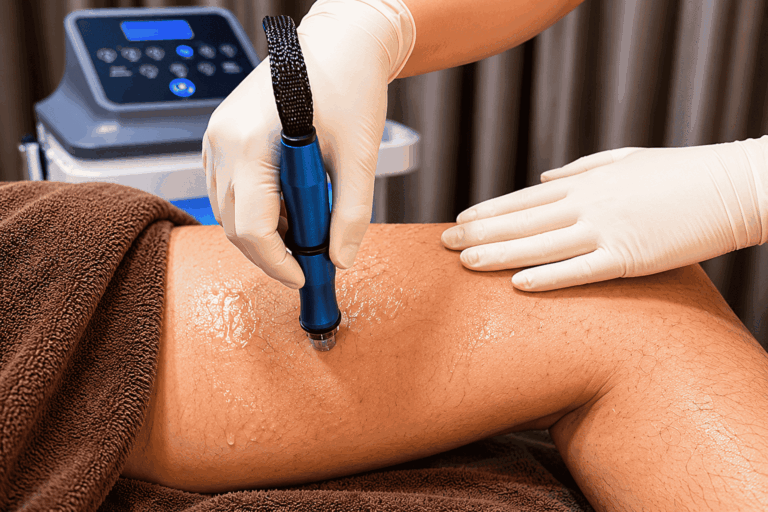
There is no single cure that works for every eczema patient. The best eczema treatment often combines medical care, skincare and lifestyle changes. Since eczema affects each person differently, treatment should focus on the skin’s condition, triggers and severity.
1. Reduce Inflammation
The body causes redness and itching along with swelling and pain because of inflammation. Medical professionals suggest patients should use medicated creams together with antihistamines and other treatment options to reduce their skin symptoms.
Medical care during the first stages of this condition prevents its gradual development into a more severe state.
2. Repair the Skin Barrier
People with eczema usually have a weak skin barrier. The skin allows moisture to escape while it permits harmful substances to enter its surface. Users who regularly apply moisturizers and emollients protect their skin from dryness.
3. Prevent Flare-Ups
The appearance of flare-ups occurs when people come into contact with their trigger substances, which include soap dust, stress, heat and chemicals.
The process of long-term eczema treatment requires patients to identify their trigger substances and stay away from them.
4. Support Long-Term Skin Health
People follow their daily basic skin care routine which enables them to manage their eczema symptoms. Patients obtain improved skin comfort through their daily practice of moisturising their skin while using mild cleansing methods and following their medical treatment and resting properly to stop eczema from coming back.
How Duo Hydrogen Therapy Helps Hand Eczema
Some patients with chronic hand eczema may also explore supportive therapies such as Duo Hydrogen treatment to help manage skin inflammation and improve overall skin recovery.
Duo Hydrogen therapy is designed to support the body’s natural healing process by helping reduce oxidative stress and inflammation, which are often linked to eczema flare-ups. Since hand eczema is commonly associated with skin barrier damage, irritation and immune system sensitivity, supportive treatments may help improve skin comfort when combined with proper medical care.
Some patients report benefits such as:
- reduced redness and irritation
- calmer and less sensitive skin
- improved skin hydration
- and better recovery during flare-ups
Duo Hydrogen treatment is often used together with:
- moisturisers and emollients
- medicated creams
- trigger control
- and proper skincare routines
Although results may vary from person to person, supportive therapies may help improve long-term eczema management, especially for individuals with recurring hand eczema symptoms.
Patients should always seek professional medical advice before starting any advanced eczema treatment to ensure the therapy is suitable for their skin condition.
Eczema Treatment in Malaysia
The growing number of Malaysians now visit medical specialists to treat their eczema because weather changes, environmental pollution and human stress patterns and personal choices have made their skin more vulnerable.
The humid weather in Malaysia creates conditions that make patients experience increased sweating and skin irritation.
People face skin problems when they stay in air-conditioned spaces because these environments produce dry skin conditions.
Professional eczema care often includes:
- skin assessment
- allergy evaluation
- personalised skincare plans
- and medical treatment based on symptom severity
When looking for eczema treatment in Malaysia, patients should choose centres that focus on:
- proper diagnosis
- skin barrier repair
- long-term management
- and patient education
Good eczema treatment should not only control symptoms but also improve daily comfort and quality of life.
Daily Skincare Routine for Eczema
A simple routine can help reduce irritation and improve skin healing.
Morning Routine
Cleanse Gently
- Wash your hands with a mild cleanser and lukewarm water
- Avoid hot water
Apply Moisturiser
- Use a thick moisturiser after washing
- Focus on dry areas and cracks
Sun Protection
- Some eczema treatments may increase skin sensitivity
- Use gentle sun protection when needed
During the Day
Reapply Moisturiser
Apply moisturiser after hand washing
Protect the Skin
Wear gloves during cleaning or household work
Night Routine
Apply Treatment Creams
Use creams prescribed by your doctor if necessary
Moisturise Again
Night-time moisturising helps repair the skin barrier during sleep
Some people use cotton gloves overnight after applying cream
Conclusion
Overall, the physical pain associated with hand eczema results in interruptions that ultimately create lowered self-confidence and the inability to perform their usual daily routines. Medication will assist individuals in attaining the desired result.
People living with eczema require consistent and appropriate care for the best care of their skin. Individuals in Malaysia who are searching for hand eczema treatment should seek early medical care to provide preventative care for their skin.
FAQs
Is hand eczema contagious?
No. Hand eczema cannot spread from one person to another.
Can stress worsen eczema?
Yes. Stress may trigger inflammation and make eczema flare-ups worse.
How long does hand eczema take to heal?
Mild cases may improve within weeks. Severe eczema may need long-term care.
What is the best moisturiser for eczema?
Choose fragrance-free moisturisers designed for sensitive skin.
Can eczema return after treatment?
Yes. Eczema often comes and goes. Regular skincare helps reduce flare-ups.
Is Duo Hydrogen therapy safe for eczema patients?
Duo Hydrogen therapy is generally used as a supportive treatment. Patients should seek professional advice before starting any advanced therapy.