Scratching again? Yeah, we’ve all been there. Eczema doesn’t care about your meeting schedule or your weekend plans. It flares up when it wants, usually at the worst time, and finding the best eczema treatment for your specific skin can feel like trial and error that never ends.
Here’s the thing though. Not every eczema cream works the same way on every skin type, and Malaysia’s weather throws an extra curveball into the mix. Humidity one minute, blasting AC the next. This guide breaks down what actually works, what to avoid, and when it’s time to look beyond the pharmacy shelf.
Why Eczema Treatments Work Differently
Skin isn’t one-size-fits-all, obviously. Dry skin, oily skin, sensitive skin, combination skin, each reacts to ingredients in its own way. A cream that calms one person’s flare-up might irritate someone else’s.
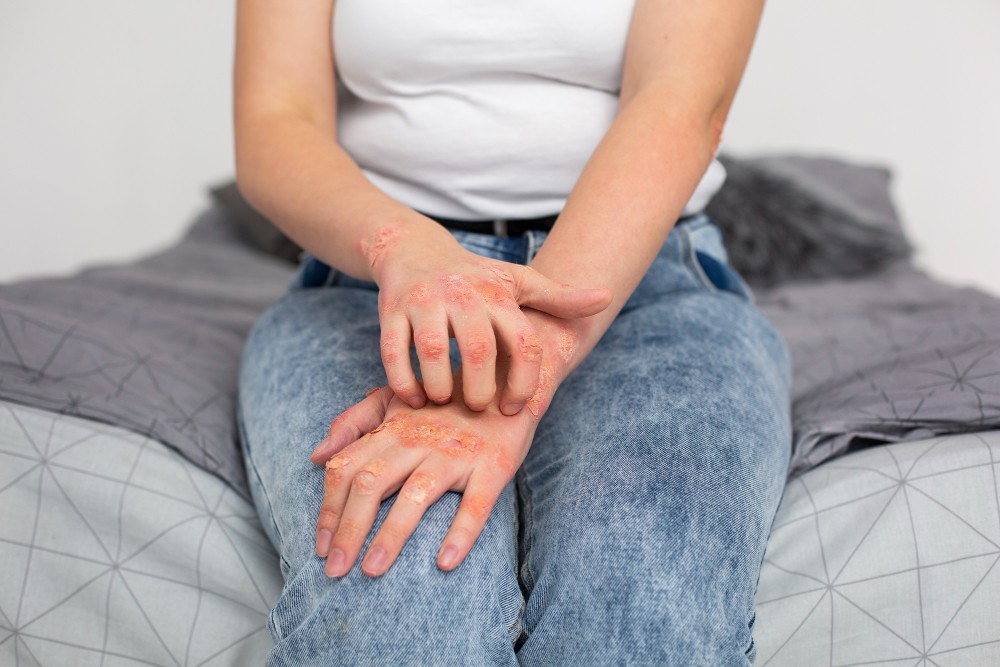
Eczema itself comes in different forms too. Atopic dermatitis, contact dermatitis, dyshidrotic eczema. Each has its own triggers and its own response to treatment. That’s why a product that worked wonders for your friend might do absolutely nothing for you. Genetics play a role. So does your skin barrier’s natural ability to hold onto moisture, which varies person to person.
And then there’s severity. Mild dryness needs something completely different from a weeping, inflamed patch. Matching the treatment to both your skin type and the stage of your flare matters more than brand loyalty ever will.
When is Moisturiser Not Enough?
Moisturiser is step one, not the whole solution. If you’re slathering on cream twice a day and your skin’s still cracking, itching, or turning red, that’s your cue to escalate.
Signs you need more than basic hydration: skin that oozes or crusts, patches that spread despite consistent moisturising, intense itching that disrupts sleep, or thickened, leathery skin from constant scratching. At that point, topical steroids, prescription-strength creams, or a dermatologist visit become necessary. Pushing through with just a basic lotion when your skin’s screaming for help usually makes things worse, not better.
How to Choose the Right Eczema Cream
Start with your skin type, then work backward. Dry, flaky skin needs heavier, oil-based formulas. Oily or acne-prone skin does better with lighter, non-comedogenic options that won’t clog pores on top of everything else.
Check the ingredient list before the marketing claims. Ceramides, colloidal oatmeal, niacinamide, these tend to calm irritation without overwhelming sensitive skin. Avoid anything loaded with fragrance or alcohol, no matter how nice the packaging looks. And patch test. Always patch test, even products labelled “for sensitive skin,” because that label means less than you’d think.
Texture matters more than people realize too. Some people hate the greasy feel of ointments, so they skip them, even when it’s the most effective option for their flare. Function over comfort, at least during a bad week.
Cream vs Lotion vs Ointment
| Type | Oil Content | Best For | Texture |
|---|---|---|---|
| Lotion | Low | Mild dryness, daily use, face | Light, absorbs fast |
| Cream | Medium | Moderate eczema, body use | Smooth, slightly thicker |
| Ointment | High | Severe, cracked, or weeping skin | Greasy, heavy, long-lasting |
Lotions feel pleasant but evaporate quickly, meaning they often aren’t enough for a genuine flare. Creams strike a middle ground and work for most everyday situations. Ointments feel heavy and nobody loves wearing them to work, but they lock in moisture longest and protect compromised skin the best. Save them for night time or your worst flare days if daytime greasiness bothers you.
Skin Care Ingredients to Choose and Avoid
Look for: ceramides, colloidal oatmeal, hyaluronic acid, shea butter, and niacinamide. These ingredients support the skin barrier instead of fighting against it.
Avoid: fragrance, alcohol-based formulas, sulphates, and harsh exfoliating acids like high-strength AHAs. Essential oils sound natural and harmless, but for a lot of eczema-prone skin, they trigger more irritation than relief. Even “natural” doesn’t automatically mean gentle, something worth remembering next time you’re scanning a label in the pharmacy aisle.
How to Manage Sudden Flare-Ups
Flare-ups rarely give warning. One day you’re fine, the next your skin’s on fire. First move: stop scratching, obviously easier said than done. Apply a cold compress to calm the itch and reduce swelling fast.
Switch to your heaviest moisturiser or ointment immediately, and reapply more often than usual, maybe every few hours. Lukewarm showers only, nothing hot. Loose cotton clothing helps too since anything tight or synthetic tends to rub and worsen irritation. If over-the-counter options aren’t calming things within a few days, that’s the signal to see a professional rather than waiting it out.
Can Professional Skin Treatments Help?
Sometimes, yes. When home remedies and pharmacy creams hit a wall, professional treatments step in with tools you simply can’t replicate at home. Dermatologists might prescribe topical corticosteroids, calcineurin inhibitors, or in more persistent cases, light therapy.
Beyond prescriptions, some skin clinics now offer non-invasive treatments specifically designed to calm compromised, reactive skin without adding further stress to an already struggling barrier. These aren’t replacements for medical care, but they can work alongside it, especially for people whose eczema keeps returning despite a solid home routine.
What Is Duo Hydrogen Technology?
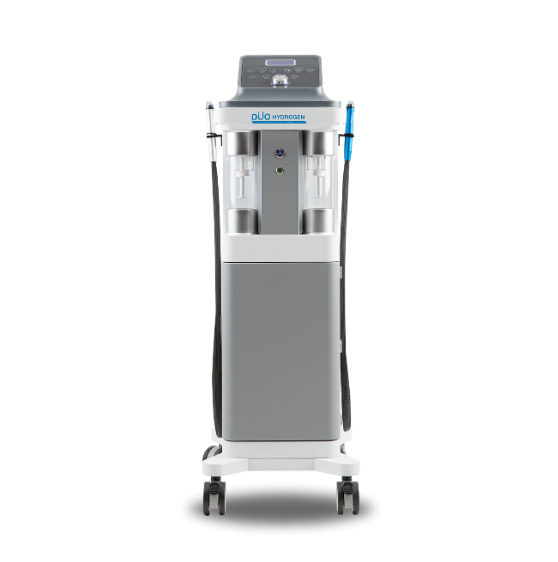
This one’s newer to the skincare scene, and it’s worth knowing about. Duo Hydrogen Technology combines two therapies, Hydrogen Therapy and Plasma Ozone Water Purification Therapy, into a single non-invasive treatment built to cleanse and soothe compromised skin without adding irritation on top of what’s already there.
MUSEE PLATINUM TOKYO rolled this treatment out specifically because so many clients were asking for something gentler than traditional facials, something that wouldn’t aggravate sensitive or reactive skin further. The hydrogen component works to calm inflammation, while the ozone side targets bacteria sitting in pores and follicles. Together, they aim to support the skin’s recovery process rather than just masking symptoms temporarily.
Is Duo Hydrogen Suitable for Eczema-Prone Skin?
Short answer, yes. It was actually developed with eczema-prone individuals in mind from the start, though it works for a much wider range of skin types too, including acne-prone and generally reactive skin.
The treatment applies to the face, scalp, and body, even delicate areas that usually need extra caution. Because it’s non-invasive and skips harsh chemical exfoliants or aggressive extraction methods, it tends to sit well with skin that reacts badly to almost everything else. That said, always have a proper consultation first. Every skin history is different, and eczema severity varies wildly from one person to the next.
Managing Eczema in Malaysia’s Humid Climate
Humidity sounds like it should help dry skin, but it’s not that simple. Sweat trapped against the skin can actually trigger flare-ups just as easily as dry winter air does elsewhere. Add in constant air conditioning indoors, and your skin bounces between two extremes all day long.
Lightweight, breathable fabrics help during outdoor hours. Indoors, keep a humidifier running if the AC’s drying out the air too aggressively. Shower promptly after sweating rather than letting it sit on your skin, and reapply moisturiser more frequently than you might in a cooler climate since humidity tricks people into thinking their skin needs less hydration than it actually does.
How to Choose Skin Care Products Wisely
Read ingredient lists before reading marketing copy. Products claiming to be “eczema-friendly” aren’t regulated terms, so don’t take that label at face value. Check for fragrance-free (not just “unscented,” which can still contain masking fragrances), and look for clinical backing where possible.
Introduce one new product at a time. Layering five new items into your routine simultaneously makes it impossible to identify what’s helping and what’s causing a reaction if things go sideways.
When Should You Change Your Treatment?
Two to three weeks. That’s roughly how long you give a product before admitting it’s not working. No improvement by then? Move on. Don’t force it.
Watch for the real warning signs too. Symptoms getting worse instead of better. New irritation popping up where there wasn’t any before. A flare that keeps circling back no matter how carefully you stick to your routine. Any of that happens, stop swapping tubes on your own and get a professional opinion instead. Guessing only wastes time your skin doesn’t have.
Conclusion
Truth is, there’s no magic cream that works for everybody. Your skin type’s different from the next person’s. So are your triggers, and so is how Malaysia’s climate messes with your barrier day to day. Keep it simple at first. Watch how your skin actually responds, not how the packaging says it should. And when home care stops cutting it, bring in backup, a dermatologist, maybe something like Duo Hydrogen. No shame in that.