Shaking flakes off your shoulder before a meeting again? You’ve probably tried three different shampoos already, maybe switched up your hair oil, and somehow dandruff still shows up like it owns the place.
Here’s the reality. Most people treat dandruff wrong because they chase symptoms instead of causes. A good dandruff treatment isn’t just about picking the right bottle off the shelf. It’s about understanding your scalp, your climate, and what’s actually triggering those flakes in the first place. Malaysia’s heat and humidity complicate things further, so let’s get into what actually helps.
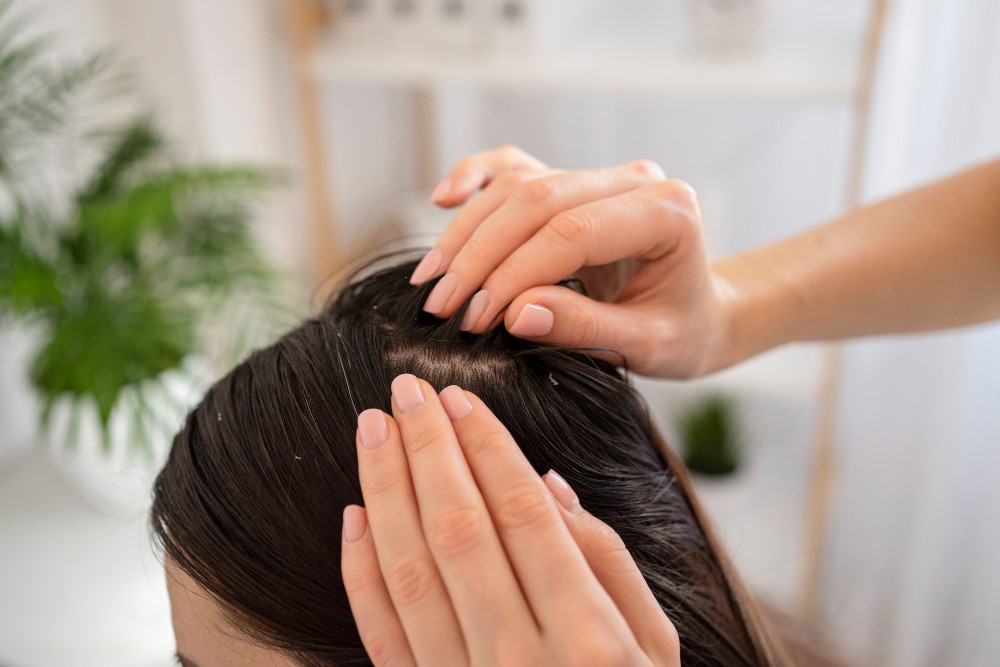
Why Does Dandruff Keep Coming Back?
Dandruff isn’t a one-time fix kind of problem. It’s often tied to Malassezia, a yeast that lives naturally on everyone’s scalp but overgrows in some people, triggering flaking and irritation. Genetics play a role here too, so some people are simply more prone to it regardless of how well they wash their hair.
Stress makes it worse. So does inconsistent hair washing, product build-up, or switching shampoos too frequently without giving any single one time to work. The scalp’s oil production fluctuates with hormones, weather, and even diet, which explains why dandruff that vanished last year suddenly reappears this month. Treating it once and expecting it to stay gone forever just isn’t realistic. Ongoing care matters more than a one-off fix.
What Is Making Your Dandruff Worse?
A few sneaky habits make flaking worse without people even realising it. Over-washing strips natural oils, causing the scalp to overcompensate by producing even more oil, which feeds the yeast responsible for flakes. Under-washing does the opposite problem: build-up accumulates and irritates the scalp directly.
Hot showers don’t help either. Neither does using styling products heavy with silicones or alcohol near the scalp. Stress, poor sleep, and a diet low in zinc or B vitamins can all show up as scalp issues too, something people rarely connect to dandruff until a dermatologist points it out. And honestly? Scratching, even gently, breaks skin and invites more irritation than it relieves.
When Is Dandruff More Than Just Flakes?
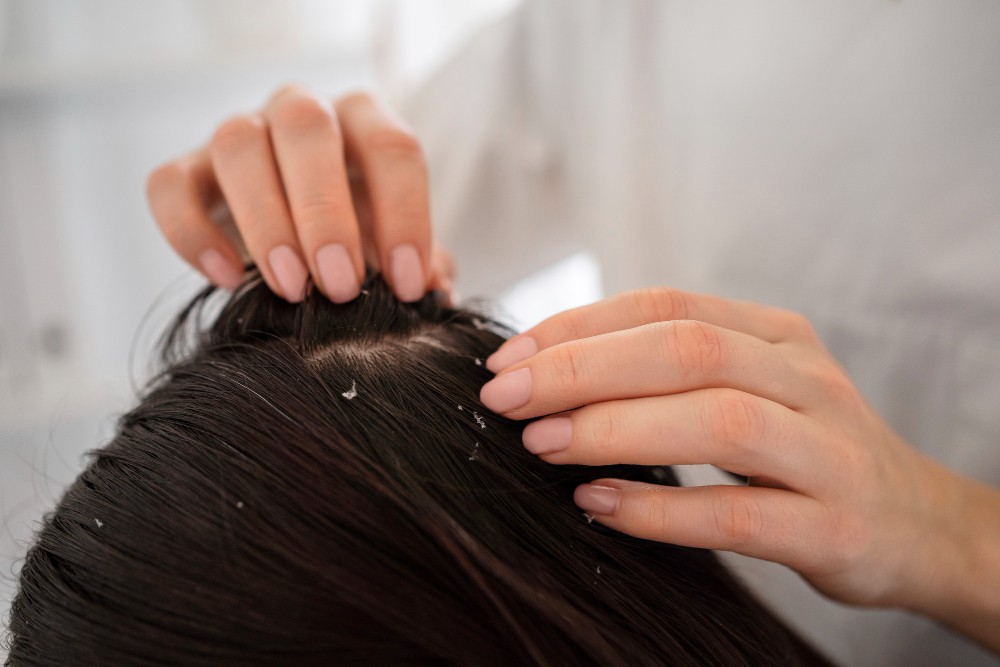
Regular dandruff looks like small, white or yellowish flakes with mild itching. Nothing dramatic. But sometimes what looks like dandruff is actually something else entirely: seborrheic dermatitis, psoriasis, or even a fungal infection that needs different treatment altogether.
Red, inflamed patches. Thick, greasy scales. Intense itching that disrupts sleep or daily life. Flaking that spreads beyond the scalp to eyebrows, ears, or the sides of the nose. Any of these signs mean it’s time to stop guessing and get a proper diagnosis, because treating seborrheic dermatitis like basic dandruff usually leads nowhere good.
Is Your Hair Care Routine Helping or Hurting Your Scalp?
Be honest with yourself here. Are you washing your hair enough, or stretching it out because you’re busy? Both extremes cause problems. Most people with dandruff-prone scalps do best washing every two to three days, though oily scalps might need more frequent washes.
Conditioner matters too, but only if it stays off the scalp itself and focuses on the lengths and ends. Piling conditioner directly onto your scalp just adds build-up you don’t need. Tight hairstyles, excessive heat styling, and skipping scalp exfoliation altogether all quietly work against you as well. A routine built around your actual scalp needs, not just whatever’s trending, makes a real difference over time.
What Should You Look for in an Anti-Dandruff Shampoo?
Ingredients matter more than brand names. Look for zinc pyrithione, ketoconazole, selenium sulphide, or salicylic acid, each targeting dandruff slightly differently. Zinc pyrithione fights the yeast directly. Salicylic acid helps exfoliate flaky build-up. Ketoconazole tends to work well for more stubborn cases, though it’s sometimes available only with a prescription depending on strength.
Avoid shampoos loaded with sulphates if your scalp’s already sensitive, since those can dry things out further and worsen irritation. Give any new shampoo at least two to four weeks before deciding whether it’s working, since results rarely show up overnight. Rotating between two effective formulas sometimes works better than sticking with just one long term, since scalps can build a tolerance to certain active ingredients over time.
How to Build a Scalp Care Routine That Works
Think of your scalp like skin, because that’s basically what it is. Start with a gentle cleanse using your anti-dandruff shampoo, leaving it on for the full recommended time instead of rinsing immediately. Most people rinse too fast, cutting the active ingredients’ contact time short.
Add a scalp scrub or exfoliating treatment once a week to clear dead skin and product build-up. Follow with a lightweight, scalp-friendly conditioner on the lengths only. Avoid heavy oils directly on the scalp if you’re flare-prone, even though oiling is a popular habit here in Malaysia. A little goes a long way, and too much just feeds the problem. Consistency beats intensity every time with scalp care.
Does Your Scalp Type Change the Way You Manage Dandruff?
Absolutely. Oily scalps tend toward greasy, yellowish flakes and benefit from clarifying, oil-controlling formulas used more frequently. Dry scalps flake with smaller, drier particles and need gentler, more hydrating anti-dandruff options that won’t strip what little moisture is there already.
Combination scalps, oily roots with dry ends, need a split approach entirely. Treat the scalp with an anti-dandruff formula while keeping richer conditioning away from the roots. Sensitive scalps require fragrance-free, minimal-ingredient products since anything too active can trigger more irritation than relief. Knowing your type saves a lot of wasted money on products that were never going to work for you anyway.
Can Hot and Humid Weather Affect Your Scalp Care Routine?
Definitely, and this matters a lot if you’re living here in Malaysia. Heat and humidity push sweat and oil production into overdrive, creating exactly the environment where Malassezia yeast thrives. Add helmet use for motorbike commuters or tight caps worn for work, and you’ve got a recipe for trapped moisture sitting right against the scalp all day.
Washing hair more frequently during hot, humid months helps control this, though don’t overdo it to the point of stripping natural oils either. Lightweight, non-greasy scalp products work better here than heavier formulas meant for drier climates. And drying hair fully before heading out, rather than leaving it damp under AC or heat, reduces the chance of fungal build-up significantly.
Why Does Dandruff Return Even After Using Specialised Shampoo?
This frustrates a lot of people, understandably. Shampoo alone sometimes isn’t enough because dandruff has multiple contributing factors working simultaneously: diet, stress, product build-up, even the water quality in your area. Treating just one piece while ignoring the rest means flakes creep back eventually.
Switching shampoos too often also resets progress since each formula needs consistent use to actually rebalance the scalp. Some people stop using their anti-dandruff shampoo the moment flakes disappear, but scalps that are prone to dandruff usually need ongoing, maintenance-level use rather than a complete stop. Think management, not a cure you achieve once and forget about.
When Should You Seek Professional Help for Persistent Dandruff?
If you’ve tried multiple over-the-counter formulas consistently for a month or more with zero improvement, it’s time to see a dermatologist. Same goes for intense itching, visible redness, hair loss alongside flaking, or flakes that spread to other areas of your face or body.
A professional can determine whether you’re actually dealing with dandruff or something that mimics it, then prescribe stronger treatment if needed. Don’t wait months hoping it resolves on its own, especially if scratching has already damaged the scalp surface.
How Can MUSEE PLATINUM TOKYO Support Your Beauty Care Journey?
Scalp health ties into overall beauty routines more than people realise, and that’s where MUSEE PLATINUM TOKYO comes in. Known mainly for painless laser hair removal across Malaysia, the brand has expanded into broader skin and scalp wellness through treatments designed around comfort and non-invasive care.
Their Duo Hydrogen technology, combining Hydrogen Therapy and Plasma Ozone Water Purification Therapy, was developed with sensitive and compromised skin in mind, and it’s suitable for use on the scalp as well as the face and body. For anyone dealing with an irritated, reactive scalp alongside dandruff concerns, a treatment like this can work alongside your regular routine to calm inflammation without adding further stress.
What Can You Do to Stop Dandruff from Returning?
Consistency wins here, full stop. Stick with a proven anti-dandruff shampoo long term, even after flakes clear up, just at a reduced frequency for maintenance. Keep stress in check where you can, since it genuinely affects scalp health more than most people expect.
Eat a balanced diet, stay hydrated, and avoid over-styling with heat or heavy products near the scalp. Wash hair regularly, especially during Malaysia’s hotter, more humid stretches, and don’t ignore early signs of irritation hoping they’ll resolve on their own. Small, consistent habits beat chasing a miracle cure every single time.